Frydextractstore – The console gaming industry has experienced a relatively calm period following the mid-generation hardware refreshes of 2024. However, that quiet phase came to an abrupt end this week as Sony Interactive Entertainment and Microsoft Gaming simultaneously revealed their long-term strategies for 2026 and beyond. With the PlayStation 5 and Xbox Series X|S now entering what analysts describe as the “late maturity” stage of their lifecycle, both companies are shifting focus away from pure hardware competition and toward broader ecosystem expansion, cloud-based gaming, and new approaches to content distribution.
Next-Gen Console Wars Intensify: Sony and Microsoft Outline Bold Strategies for the Future
Sony’s showcase, broadcast live from Tokyo, placed a strong emphasis on first-party game development and maximizing the performance potential of its existing hardware. A major highlight of the event was the introduction of the “PS5 Pro Enhanced” certification program. This initiative is designed to ensure that upcoming titles are optimized specifically for the upgraded hardware, delivering improved frame rates, enhanced visual fidelity, and more advanced lighting techniques. According to Sony Interactive Entertainment CEO Hideaki Nishino, the company’s goal is not merely to release new hardware iterations, but to empower developers to fully utilize the platform’s capabilities.
Several of Sony’s flagship studios are already preparing to take advantage of these advancements. Internal teams, including those behind some of the company’s most critically acclaimed franchises, are reportedly targeting late-2026 releases that will push graphical boundaries even further. These titles are expected to incorporate next-generation ray tracing technologies, more realistic physics systems, and a proprietary AI-driven upscaling solution. Early reports suggest this technology could rival leading PC-based solutions, potentially allowing games to achieve higher resolutions without compromising performance.
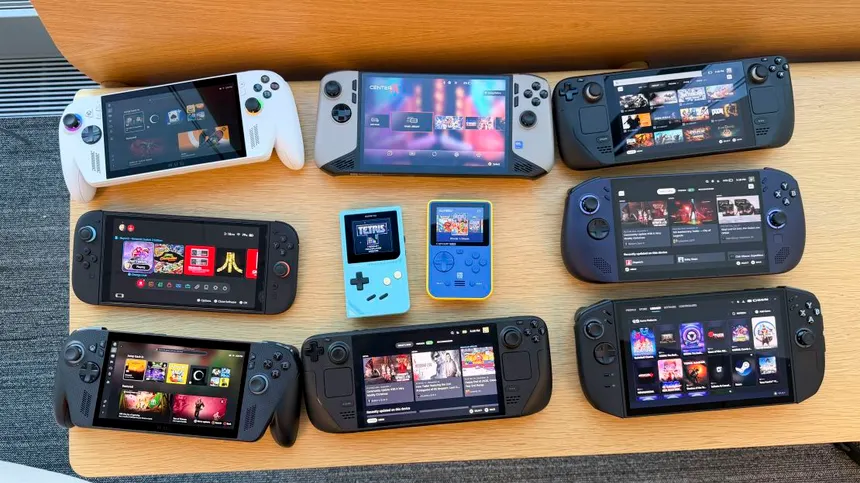
In addition to traditional console wars experiences, Sony also hinted at new hardware concepts aimed at expanding its ecosystem. One of the most intriguing announcements was a cloud-focused handheld device, currently operating under the codename “Q Lite 2.” Unlike a fully standalone console, this device is designed to stream games directly from a PlayStation 5 system or cloud servers, potentially supporting resolutions up to 4K through next-generation Wi-Fi 7 connectivity. This move signals Sony’s intent to compete more directly in the rapidly growing handheld and remote-play market, which has gained significant momentum in recent years.
Microsoft, on the other hand, presented a markedly different vision for the future of gaming. Speaking from the company’s headquarters in Redmond, Xbox leadership emphasized a strategy that extends far beyond traditional console boundaries. Phil Spencer, head of Microsoft Gaming, made it clear that the company no longer views hardware sales as its primary measure of success. Instead, Microsoft is focusing on accessibility and reach, aiming to bring the Xbox experience to as many devices and platforms as possible.
This philosophy is reflected in the continued expansion of Xbox Cloud Gaming and the growing importance of PC Game Pass. Microsoft has been steadily integrating its services across smart TVs, mobile devices, and even competing platforms, allowing players to access games without owning a dedicated console. As part of this strategy, the company introduced a new subscription tier, “Game Pass Ultimate+,” which significantly expands its offerings. This tier includes day-one access to major releases from its growing portfolio of studios, including high-profile franchises acquired through recent industry mergers.
One of the most notable developments is the reported shift in how major titles will be distributed. Instead of relying solely on traditional premium releases, some upcoming games may launch directly within the subscription ecosystem. This approach could fundamentally change how players access and pay for content, further reinforcing Microsoft’s position as a service-driven platform rather than a hardware-centric one.
The competitive landscape is further complicated by the anticipated arrival of Nintendo’s next-generation console. Industry analysts widely expect a successor to the current hybrid system to launch in early 2027, introducing a new variable into an already evolving market. This upcoming release could force both Sony and Microsoft to refine their strategies, particularly in terms of pricing, innovation, and overall value proposition.
Experts suggest that the two companies are now pursuing distinctly different paths. Microsoft appears to be positioning itself as a platform-agnostic service provider, effectively turning the Xbox brand into a universal gaming ecosystem. Sony, meanwhile, continues to focus on delivering high-quality exclusive titles and premium experiences that showcase the full capabilities of its hardware. Each approach carries its own advantages and risks, especially as consumers become increasingly mindful of costs and subscription fatigue.
Early indicators from major retailers such as GameStop and Best Buy suggest that consumer interest remains strong, particularly for newly announced limited-edition hardware and upcoming game releases. However, concerns about supply chain stability have not completely disappeared. Both Sony and Microsoft have stated that they have taken steps to diversify their manufacturing and component sourcing processes, aiming to avoid the shortages that affected earlier console launches.
As the industry moves toward the next phase of its evolution, the definition of success is also changing. Rather than focusing solely on units sold, both companies are now competing for player engagement, ecosystem loyalty, and long-term subscription growth. With the global gaming market projected to surpass $250 billion this year, the stakes have never been higher.
Ultimately, the next chapter of the console wars may not be decided by hardware specifications alone, but by how effectively each company can build and sustain a connected, flexible, and engaging gaming ecosystem. As 2026 unfolds, players can expect continued innovation, strategic shifts, and an increasingly dynamic battle for the future of interactive entertainment.